Pickleball Court Rental Era Pickleball: Corporate Packages
The first time I stood on a modern pickleball court, nets taut, lines bright, I realized something simple and durable about the sport: it travels well. It travels across communities, across ages, across corporate cultures hungry for shared experiences that are both athletic and low-stakes. Era Pickleball has built more than courts; it has cultivated spaces where teams forge memories, learn to communicate under pressure, and stumble into laughter after a long meeting turns into a blistering rally. The corporate packages offered by Era Pickleball revolve around that core insight, turning a facility into a strategic tool rather than just a place to swing paddles.
Era Pickleball, with its presence as a pickleball academy and pickleball center, understands precisely how a well-designed rental program can fit into a company’s calendar, budget, and culture. This isn’t about squeezing in a few hours of recreation between quarterly reviews. It’s about deliberately constructing an experience that leverages the sport’s unique tempo—the quick points, the friendly banter, the way doubles play requires instant role clarity. When a company books a court rental Era Pickleball, it isn’t merely paying for space; it’s investing in team cohesion, client hospitality, and the kind of informal leadership development that happens best away from PowerPoints and performance dashboards.
What follows are the realities of how corporate packages are conceived, how they unfold on site, and how teams actually translate court time into tangible outcomes. The arc of this article mirrors the experience of working with a pickleball academy like Era Pickleball: you start by clarifying objectives, move into practical logistics, and end with reflections on what worked, what surprised you, and what you’d adjust next time.
A framework rooted in clarity
The core value proposition of Era Pickleball court rental for corporate teams rests on three intertwined pillars: engagement, convenience, and measurable impact. Engagement means design-your-own experiences rather than passive participation. It’s about pre-event communications that set expectations, in-event coaching that keeps players moving and laughing, and post-event debriefs that help translate a playful afternoon into better collaboration back at the office.
Convenience is real world, not marketing speak. It means a facility with predictable scheduling, clear signage, flexible court configurations, and staff who treat a corporate gathering with the same attention you’d reserve for a client presentation. If your company already uses a shared calendar, the aim is to have the booking process feel straightforward and frictionless. In practice, this translates to a single point of contact, a transparent pricing model, and a team that can handle everything from set-up to post-event wrap.
Measurable impact is where this becomes a business tool rather than a weekend pastime. Many teams measure impact in soft metrics: improved morale, smoother cross-department communication, better problem-solving under time pressure. Some go deeper, tracking pre- and post-event surveys to quantify shifts in trust or collaboration. A well-structured Era Pickleball corporate package might offer optional facilitation tracks, structured scrimmages that mirror real project work, and optional guest speakers who tie sport strategy to business strategy. The aim is to produce observable ripple effects—an uptick in cross-functional dialogue, a more constructive approach to feedback, a willingness to experiment with new roles on a team.
Designing a package that fits your company’s cadence
The best corporate programs are not one-size-fits-all. They are deliberately tailored to a company’s calendar, the geographic distribution of teams, and the nature of the relationships it seeks to strengthen. When a company begins a dialogue with Era Pickleball, the questions it tend to surface early center on goals, participants, and constraints.
First, goals. What does the leadership want to achieve from a period of court time? Is the aim to re-energize a burned-out team after a tough product launch, or to facilitate cross-functional onboarding for new hires? Some groups seek a purely recreational day to laugh together and reset; others want a conduit for leadership development, with cohorts rotating through coaching sessions and reflective debriefs after games. Knowing the aim drives how the day is structured.
Second, participants. Corporate packages are typically designed with a mix of players and non-players in mind. The seasoned pickleball enthusiast will crave competitive play, while the more tentative participant needs a gentler introduction. A good Era Pickleball program recognizes this mix and makes space for both. It often includes a warm-up led by a coach, a beginner-friendly tutorial, and a set of tiered courts where more experienced players can pair up with newcomers for a mentoring dynamic.
Third, constraints. Scheduling windows matter. Some organizations prefer a midweek session that slots into a lunch-and-learn cadence; others book a full afternoon to maximize network-building and informal mentoring. The cost structure is a practical constraint as well. Corporate packages usually come with tiered pricing for court time, coaching, equipment, and hospitality services. You’ll see options for corporate packages that include setup and teardown, a standing play surface, and on-site amenities that can be tailored to client-facing events or internal team rituals.
From the moment a company begins planning, an Era Pickleball coordinator acts as a concierge. They secure courts, arrange equipment, and coordinate with on-site staff about lighting, sound, and accessibility. They map out an agenda that respects the pace of a typical corporate day—short introductions, a crisp warm-up, one or two guided drills, a few rounds of doubles play, and a thoughtful cool-down that invites reflection rather than merely packing up and moving on.
What a typical day looks like
On the day itself, the center hums with a friendly, focused energy. There’s a welcome table at the entrance where attendees check in, grab a paddle that fits their grip, and receive a brief orientation from a coach. The warm-up isn’t a rigid drill sequence; it’s a set of mobility sequences that bring everyone into a shared rhythm. Coaches guide players through the basics before ramping up to short, high-energy drills that sharpen footwork and shot selection.
Court layout becomes a talking point almost immediately. Era Pickleball courts can be configured to suit a variety of formats, from quick-fire doubles rounds to longer, more strategic clinics. For a corporate crowd, the preference often leans toward a blend: a brisk, instructional segment followed by friendly matches that emphasize teamwork over individual skill. The beauty of the format is that it accommodates a spectrum of comfort levels without making anyone feel out of place.
As players settle into the rhythm, you hear the familiar chorus of friendly competitiveness. A pair of colleagues who wouldn’t normally share a lunch break find themselves coordinating as a doubles team. A manager discovers that careful communication on the court translates into clearer guidance in the boardroom. The ball, a modest little plastic sphere, becomes a conduit for collaboration rather than a source of intimidation. Small moments accumulate into a larger sense of shared purpose.
The role of coaching and facilitation
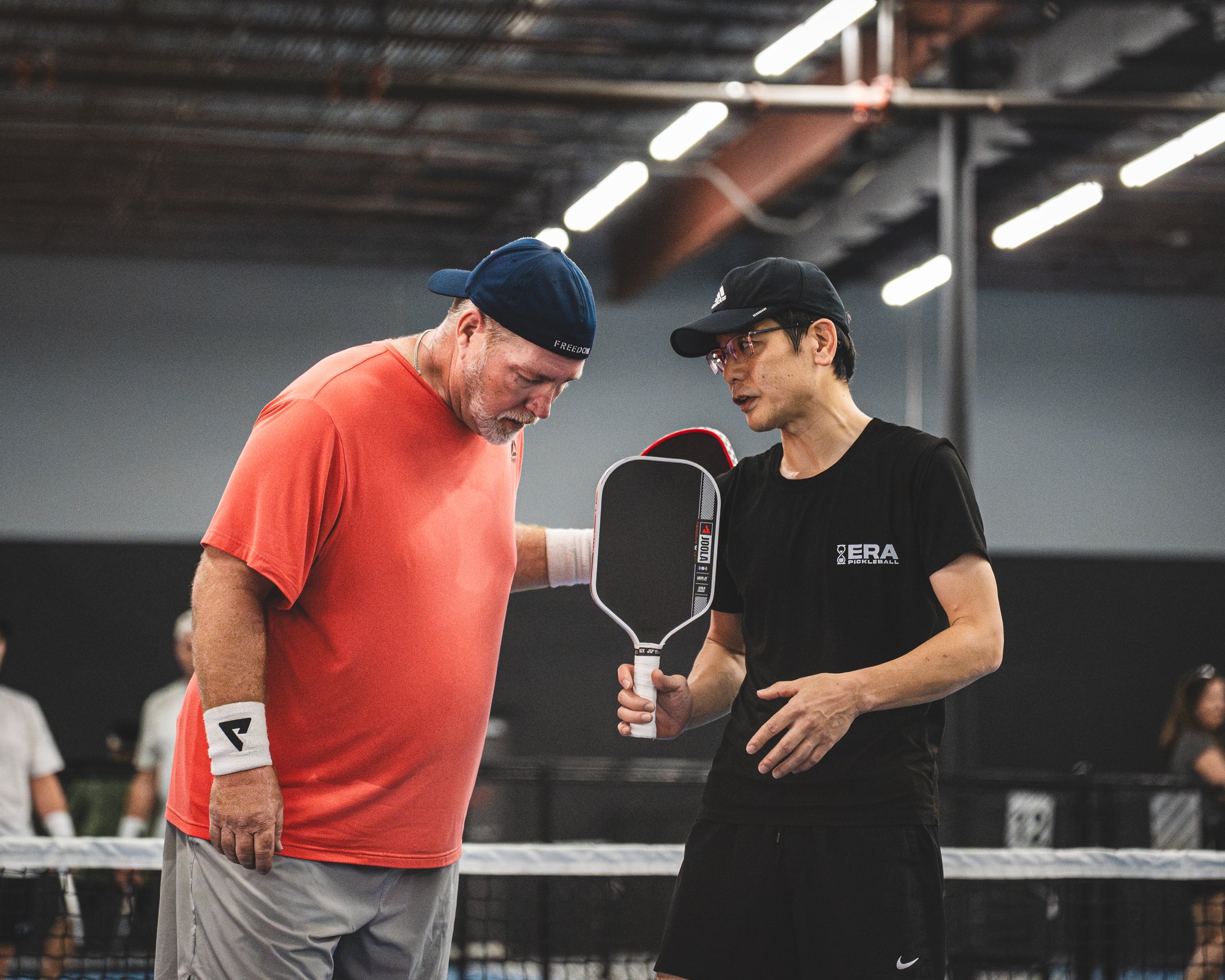
Coaching is not about turning everyone into a pro in a single afternoon. It’s about providing the right prompts at the right moments and ensuring participants leave with practical takeaways. Coaching can be lightweight and playful or more structured, depending on goals. In practical terms, a coaching track might include:
- Quick technique clinics that demonstrate the most reliable shot in a given situation.
- Situational drills that mirror common workplace challenges, such as maintaining composure under pressure or communicating as a team when the pressure mounts.
- Reflection sessions that encourage participants to articulate what they learned and how they will apply it at work.
The value of skilled facilitation cannot be overstated. A seasoned facilitator helps keep a day from devolving into a chaotic scramble for winners, ensuring that even casual participants walk away with something tangible. A good facilitator threads performance feedback with humor and directness, creating a safe space where teammates feel comfortable experimenting with new forms of collaboration.
Logistics that matter
No good corporate package survives on charm alone. There are practical considerations that can determine how smoothly the day goes and how much teams feel they got out of it. Lighting and temperature make a big difference in a gym environment, particularly for participants who are new to the sport. If a corporate package includes a hospitality element, the quality and timing of food and beverages become part of the experience, not an afterthought. A well-run day will feature pause moments for water, snacks, and strategic conversations—naturally woven into the schedule rather than tasted as an interruption.
Accessibility matters too. Courts should be accessible to people with varying levels of mobility, and staff should be ready to adjust the format if needed. The best centers, including those that present as pickleball centers, treat accessibility as a baseline rather than a premium service. When companies plan, they should discuss this upfront with the Era Pickleball team so everyone can participate with dignity and ease.
The measurable returns of corporate court time
What does a company take away from a day on the court? For some teams, the impact shows up in a quiet, almost unnoticeable shift. More mindful communication in meetings, a smoother handoff between departments, a shared language around strategy and execution. For others, the gains are more quantifiable: higher net promoter scores in internal surveys, faster decision cycles, or better cross-functional alignment around a critical project.
A practical way to capture impact is to couple court time with a short post-event debrief. Facilitators guide participants through a reflection process that links on-court behavior to workplace outcomes. The questions are concrete: What did you learn about communication? How did you adapt to pressure? Who did you rely on for support, and how can you replicate that dynamic in your next cross-functional project? The answers create a map for managers and teams to apply the lessons learned in the months that follow.
The economics of corporate packages also plays a part. While the investment may seem modest relative to other team-building activities, the returns can be meaningful when aligned with business priorities. The cost structure options often include per-court rates, per-coach rates, and bundled packages that combine court time with hospitality and equipment. The flexibility to scale up or down helps organizations during cycles of growth, downsizing, or project pivots.
Real-world anecdotes from the front lines
Over the years, I have watched teams from small startups and large enterprises test-drive Era Pickleball corporate packages with varying degrees of formality. One mid-sized tech best pickleball courts company booked a three-hour window on a weekday afternoon. They brought in a mix of seasoned players and absolute beginners. The first half hour was a clinic on the fundamentals, led by a patient coach who could translate paddle skills into actionable teamwork insights. By the time the clock neared the final whistle, several cross-functional pairs had formed into impromptu doubles teams. They traded business cards during a cool-down break and scheduled informal follow-up sessions to practice together. In their post-event survey, the team highlighted improved listening skills and a greater willingness to experiment with new responsibilities.
Another example involved a professional services firm that used a day-long package as part of onboarding for new hires. The event began with a short welcome and a motivational talk from a senior partner, followed by a series of light drills and then a few rounds of doubles. The structure fostered a light, inclusive atmosphere while still delivering a sense of shared purpose. Participants who had previously struggled with cross-department navigation reported feeling more connected to colleagues they would rarely meet in the ordinary course of work. The firm noted a measurable uptick in collaborative project proposals within the first quarter after the event.
These stories share a common thread: the value of a carefully designed day emerges not from the gear on the walls but from the social dynamics the day nurtures. The court serves as a neutral stage, and the real show is how people relate to one another under the pressure of quick scoring and short rallies. When the environment is both welcoming and structured, teams relax into a mode of collaboration that carries over into their day-to-day work.
When not to book, and how to manage expectations
Not every moment is ideal for a corporate pickleball event. If a team is in the throes of a crisis, the emotional bandwidth for a social exercise may be low. In those moments, leadership should be intentional about prioritizing communication over competition, and perhaps opt for a lighter, more reflective session rather than a high-energy competition. The same applies if a significant portion of participants are completely new to the sport. In that case, the value lies in an introductory session that focuses on comfort and confidence, followed by a few light, non-competitive activities rather than a full-blown tournament.
Edge cases do exist and should be planned for. Participants with injuries or medical restrictions require alternatives that preserve inclusion while ensuring safety. A flexible approach, with paddles of different weights and sizes and a non-competitive social format, can accommodate a wider audience. Buildings and facilities also impose constraints. Some centers have limited parking, while others offer full-service hospitality with on-site catering. The Era Pickleball team will align with your facility realities, ensuring the day remains smooth and enjoyable rather than chaotic or ill-fitted to the space.
The value proposition in one sentence
Era Pickleball court rental offers a practical, scalable way to turn a workplace into a community hub for learning, collaboration, and trust-building, all wrapped in a sport that is accessible, fast-paced, and genuinely enjoyable.
Two thoughtful lists that capture practical options
-
What to consider when choosing a corporate package
-
Objective alignment: ensure the day connects to a business goal such as onboarding, cross-functional collaboration, or leadership development
-
Participant mix: design activities that accommodate beginners and experienced players
-
Scheduling flexibility: choose windows that minimize disruption to core work while maximizing engagement
-
Coaching intensity: decide how much coaching versus free play suits your objective
-
Hospitality and logistics: confirm food, beverage, setup, and accessibility considerations
-
What a successful on-site experience typically delivers
-
Clear, improved cross-team communication
-
A shared vocabulary for collaboration and problem solving
-
Greater willingness to experiment with new roles and responsibilities
-
Positive shift in morale that translates to higher engagement in projects
-
Practical takeaways that teams can apply in meetings and planning sessions
From first contact to a lasting impact
Engagement with Era Pickleball begins long before the first paddle touches the court. It starts with a conversation about what your organization wants to achieve, who will participate, and how you will measure success. The team that manages corporate packages is not just a scheduling desk; it is an assistant, a strategist, and a facilitator who can translate business aims into an on-site rhythm that feels natural and enjoyable.
After the initial consult, the plan is drafted with a clear outline: duration, court configuration, coaching role, and hospitality elements. The schedule is then executed with a focus on consistency. Whether a company opts for a compact 90-minute burst or a longer day that blends clinics with matches, the key is predictability. People want to know where to be, when, and what is expected of them. A predictable rhythm reduces anxiety and helps participants lean in rather than hold back.
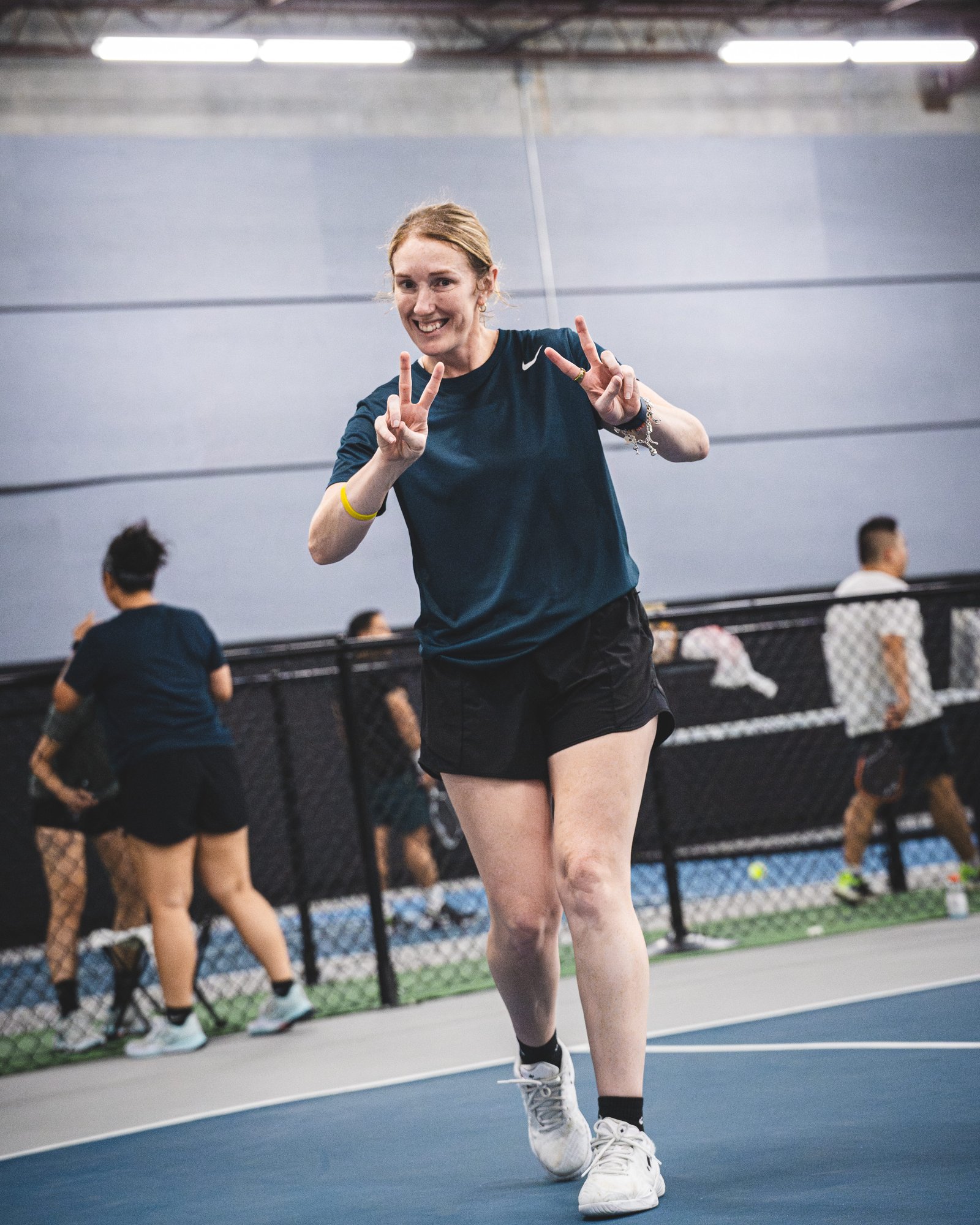
The on-site team at Era Pickleball is trained to blend into the company’s culture rather than dominating the narrative. They respect the room, the energy, and the diversity of skills. It is common to see a senior executive partnering with the person who just started playing, both smiling while trying to master a poorly named shot that somehow finds its mark. This is not a stage-managed performance; it is a genuine moment of shared learning that happens on a court designed for inclusivity and ease.
Parting thoughts on choosing the right partner
If you are weighing options for a corporate package, consider the following touchpoints. First, ask for a sample day plan that aligns with your objectives. See how adaptable the plan is and whether it anticipates contingencies, such as rain delays or last-minute attendee additions. Second, request evidence of past impact. Case studies or testimonials that connect on-court activity to workplace outcomes help translate sport into business value. Third, assess the full-service nature of the offer. What does the price include, and what is optional? Clarity here prevents unwelcome surprises and helps you keep the focus on outcomes rather than logistics.
Finally, reflect on your organization’s culture. Are you aiming for a high-energy, competitive vibe, or a more introspective, coaching-led experience? Era Pickleball’s versatility shines when the package speaks to your culture rather than forcing you into a template. The most rewarding partnerships are those where the sport becomes a language through which teams communicate more effectively, both on the court and in the conference room.
A note on the broader ecosystem
Era Pickleball sits within a broader ecosystem of pickleball centers and academies that rarely treat court rental as a mere transaction. The best organizations approach it as a collaborative partnership. They work with corporate clients to map the event to their broader people strategy, aligning with HR calendars, internal communications campaigns, and leadership development initiatives. This alignment matters because it transforms the day from a standalone activity into a strategic investment in a company’s most important asset—its people.
The pickleball academy concept is especially relevant for teams that want stability and ongoing development. Rather than a one-off event, a series of sessions can build on momentum, reinforcing new behaviors and strengthening interpersonal networks. For organizations that value consistency, Era Pickleball offers the kind of continuity that can turn a single-day experience into a recurring anchor in a company’s quarterly and yearly calendars.
Closing reflections
A corporate day at Era Pickleball is more than a break from the desk. It is a deliberate invitation to practice teamwork in a context that rewards quick thinking, positive feedback, and collaborative problem-solving. The sport provides a neutral ground where people from different departments meet as players first, colleagues second. The court time becomes a laboratory for culture, where small wins accumulate into meaningful shifts in how a team communicates, makes decisions, and supports one another.
If you are responsible for shaping a team-building calendar, consider the power of a well-designed court rental package. It is not merely about recreational activity; it is about creating an environment where leadership, empathy, and initiative can surface in real time. In the years I have watched groups move from guarded to connected on Era Pickleball courts, I have learned that the real value lies in the stories that emerge from the day—the conversations overheard at the sidelines, the laughter that cuts through tension during a tough rally, and the quiet acknowledgments when someone steps into a new role with confidence.
As you think about your next corporate gathering, imagine not just a day on the court, but a day that reframes how your team shows up for each other. TheEra Pickleball experience, the structure of the corporate package, and the center’s careful attention to the human dynamics on display make this more than a sport. It becomes a shared practice in collaboration, resilience, and the kind of practical optimism that teams need to move forward together. If your goal is to nurture a culture of trust and agile collaboration, the court time you invest now is an investment in the momentum you will feel in meetings, planning sessions, and the daily work that follows. The center is ready to help you design that momentum, one rally at a time.