erapickleball.com Pickleball Court Rental: Group Rates
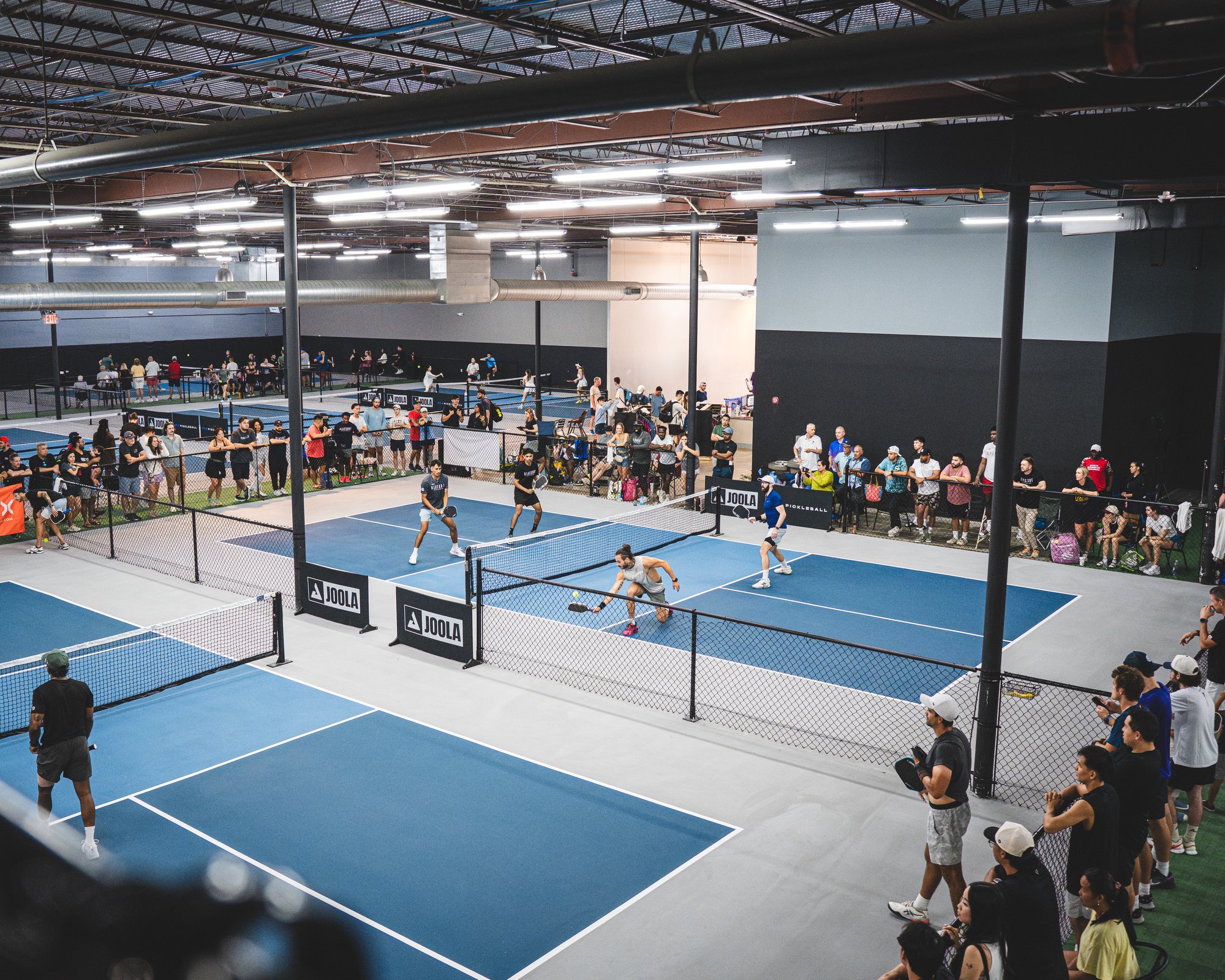
The first thing you notice when you walk through the doors of Era Pickleball is energy. The lights glow with the same intensity you feel in a championship match, and the courts are arranged in a way that invites interaction rather than isolation. Era Pickleball, the pickleball academy Era Pickleball runs with craft and care, is more than a place to rent space. It’s a community hub where teams, clubs, and casual players discover how affordable, predictable access can transform practice into progress.
When a group considers renting courts, the conversation usually starts with one practical question: what does it cost, and what do we get for that cost? The answer isn’t a single price tag, or a one-size-fits-all package. It’s a spectrum of options designed to accommodate different group sizes, practice schedules, and competitive ambitions. The Era Pickleball model recognizes that a club that meets twice a week has different rhythms than a corporate team-building afternoon or a youth program that runs through a school season. The goal is to offer predictable budgeting, flexible times, and clear expectations so a group can plan a session without gnawing on the numbers.
What follows is a grounded look at how group rates work at Era Pickleball, how a group might plan a rental calendar, and how to maximize every dollar without compromising on the quality of the space, the equipment, or the coaching that often accompanies a rental. It’s a practical guide built from real-world experiences of players, coaches, and event organizers who have navigated secure bookings, staggered arrival times, and the subtle art of keeping a session productive even when the clock is ticking.
Understanding the core of Era Pickleball court rental
To begin with, choose a court at Era Pickleball is to step into a space designed for both focus and flexibility. The courts themselves are standard dimensions with top-tier surfaces that minimize fatigue and maximize shot consistency. Lighting is calibrated to reduce glare, and the surrounding area is designed to keep noise from bleeding into other courts while still allowing coaches and captains to communicate clearly with players. It’s the kind of setup that makes it easy to run drills, do live-ball sessions, or host a quick round-robin, all without worrying about the physical environment compromising performance.
Pricing hinges on several factors that are straightforward once you lay them out: the number of courts you need, the duration of the rental, the day of the week, and whether you’re bringing in coaching or using Era Pickleball’s in-house instructors. Group rates are built on the premise that a club or organization will book recurring slots or a block of time rather than a one-off session. The more consistent your usage pattern, the stronger your bargaining position becomes, especially if you can forecast a season or a quarterly calendar. The aim is to deliver value without disadvantaging the facility or the staff who ensure everything runs smoothly.
One prominent feature that often surprises newcomers is the clarity around what is included in a court rental. A standard rental might cover access to a court during a defined window, the ability to best pickleball courts set up drills or play matches, and basic use of the facility’s amenities. Some group arrangements also include equipment such as paddles and balls, though larger programs may want to discuss a bundled package that includes coaching or court-side staff. The ability to customize is not abstractions; it is a practical option that makes it possible for a club to maintain consistent practice quality even as rosters and schedules change.
The process of booking for a group is straightforward but benefits from a touch of foresight. A group captain or administrator typically checks availability for preferred time slots, notes any special requirements—such as a need for a split session on back-to-back courts, or a longer block for a tournament warm-up—and coordinates payments with Era Pickleball’s staff. The booking system is designed to be transparent about what is included in each tier of rental, and the staff is available to walk you through the options, explaining how a particular package aligns with your goals.
What makes a strong group rental plan
A successful group rental plan rests on three pillars: consistency, clarity, and care. Consistency means you lock in a schedule that matches your team’s practice tempo. It’s easier to improve when players know they have a guaranteed time block each week and that the court conditions will be the same from session to session. Clarity refers to the contract itself: the exact hours, the number of courts, the equipment included, and the cancellation policy. Care is about the human element—having someone you can reach, a staff that can quickly adjust to roster changes, and a facility that respects the needs of a growing program.
The practical benefits of committing to a group rate at Era Pickleball begin to reveal themselves once you move beyond a single season. The most immediate gain is cost predictability. When you lock in a recurring schedule, you can plan your budget with confidence rather than reacting to fluctuating rates or last-minute availability. You also gain priority access, which often translates into preferred time slots during peak season or the opportunity to reserve additional courts if your group expands. For coaches and program directors, this predictability is a form of leverage, allowing more precise planning around practice structure, conditioning blocks, and skill-specific sessions.
A common scenario mirrors the arc of a club that starts with a few dozen participants and grows into a thriving middle school or high school program over two to three seasons. Initially, the club might book a single court for two hours on a Tuesday and Thursday evening. As interest grows, the group can add a second court on the same days, lengthen sessions to three hours, and introduce a rotating coaching plan that includes one in-house coach and one part-time guest instructor. The rental terms adjust to reflect the increased usage while still preserving the core value proposition: high-quality courts, reliable scheduling, and access to coaching when needed. The arc is not unusual, and it is precisely the kind of growth pattern that Era Pickleball’s group rate framework is designed to support.
Two powerful levers you can pull when negotiating group rates
-
Volume discounts and tiered pricing: As you commit to more courts or longer blocks, you can move down the rate ladder. The math is simple in principle, but the impact is real in practice. A club that moves from one court for two hours twice a week to two courts for three hours five days a week will see meaningful savings per session while maintaining the same quality of surface, lighting, and support staff. The benefit isn’t only the lower hourly rate. It’s the improved ability to plan, knowing your total monthly outlay in advance.
-
Coaching and ancillary services: Some groups blend court rental with on-site coaching, video analysis, or conditioning support. Bundling these services can yield superior value. For example, bringing in a dedicated Era Pickleball coach for a weekly session in addition to court time can elevate the group’s practice quality without inflating the cost per player dramatically, especially when the expense is shared across a large roster. The trade-off is clear: expect a slightly higher upfront commitment in exchange for more structured development and faster improvements in technique and strategy.
Two lists can illustrate these ideas succinctly, but the article keeps a careful balance to avoid overloading the reader with bullet points. If you’re in the mood for a quick mental map, think of the two lists as a compact reference: the first helps you assess value within your current setup, the second sketches how to augment rental with coaching to accelerate outcomes. Remember, the sport is contagious, and a few thoughtful additions can turn rental into a robust development pipeline.
- List 1: Value levers in group rentals
- Court capacity and session length
- Recurring schedule versus one-off bookings
- Equipment inclusions and quality
- Cancellation and rescheduling flexibility
- Proximity to coaching or on-site support
- List 2: Augmenting rental with coaching
- In-house Era Pickleball coaches for skill blocks
- Video analysis sessions after practice
- Warm-up and conditioning modules integrated with play
- Guest instructors for specialty clinics
- Rostering and accountability tools to track progress
A practical workflow for planning a season around group rates
Season planning begins with a candid inventory: how many players are you serving, what’s the schedule that maximizes participation, and how does your budget align with your program’s goals? Start with a baseline calendar that specifies a weekly rhythm. If your group includes beginners, you may want to carve out a consistent beginner block on a weekend morning when facilities are quieter and players can learn without feeling overwhelmed. If you’re cultivating a more competitive cohort, you might push for midweek evenings with a higher-intensity practice format that blends drills with controlled match play.
The process then shifts to allocation. How many courts do you require to support your intended practice density? If you own a large roster, you may discover that booking multiple courts at the same time improves flow and reduces idle periods between stations. The Era Pickleball staff can help you map drills to courts, ensuring you minimize downtime and maximize the use of the facility. A well-structured plan reduces confusion on the day of the session and helps keep players focused on the work rather than the logistics.
A key realization for many groups is that a rental plan can become a narrative rather than a transactional arrangement. It’s about building a reliable training environment, one that players begin to anticipate and see as part of their routine. When the cadence is predictable, the sense of belonging grows. Players feel connected to a program that looks out for their progress. Coaches gain confidence in the schedule and can design more effective practices. And the facility benefits from a steady stream of activity that helps justify ongoing investments in court maintenance, lighting upgrades, and equipment refresh cycles.
Real-world pitfalls and how to navigate them
No planning document is complete without acknowledging the potential friction points. A few common scenarios appear with surprising frequency, and they usually revolve around timing, capacity, or communication. The first pitfall is overbooking. It sounds counterintuitive, but in practice, a group sometimes adds a second block to accommodate a growing roster and discovers that the courts, once reserved, become too crowded to sustain the high-intensity pace they envisioned. The takeaway is simple: build in buffer time. A 15-minute cushion between sessions may seem minor, but it saves you from schedule chaos and last-minute renegotiations with staff.
Second, there can be ambiguity about what the rental includes. If your club assumes court time automatically includes access to all paddles and balls, you may end up with a surplus or deficit on equipment usage. It helps to define in writing what is included and what is optional. That clarity reduces friction on the day of the session and prevents misunderstandings that can derail a routine.
Third, communication breakdowns can undermine a well-planned season. A designated point person who answers questions, confirms changes, and preserves the continuity of the schedule is a quiet but essential ingredient. This role does not have to be elaborate. A single club liaison, with a shared calendar and a reliable contact method, can keep the entire program aligned with the rental terms and avoid misaligned expectations.
A personal anecdote from a season that was saved by good planning helps illustrate these ideas. A community club I worked with faced a mid-season staffing issue during a peak period. We had planned to run two courts for three hours on weeknights. When the lead coach had to step back for a period, the group re-emphasized a buffer period and pivoted to a coaching rotation that included one in-house coach and a rotating guest instructor. The result was not merely a patchwork fix. It preserved the quality of practice, maintained the cadence of the schedule, and ultimately kept players engaged rather than drifting to other activities. The rental remained stable, and the club retained its momentum through a moment of uncertainty.
The role of Era Pickleball staff in supporting groups
One aspect that often gets overlooked is how responsive the Era Pickleball team can be when a group grows or changes course. The staff is accustomed to working with clubs, schools, and workplace teams, and they bring a practical understanding of how to keep a rental arrangement aligned with a program’s aspirations. They can help fine-tune a calendar, suggest optimal times to avoid congestion, and offer access to a library of drills and practice formats that fit a broad range of skill levels. The human element matters. A staff member who knows your group’s history can anticipate recurring needs, such as setting aside a warm-up area, coordinating court resets between sessions, or ensuring that chairs and water stations are available for players during longer blocks.
Another benefit is the potential for on-site coaching or supervision when it suits the group’s goals. Era Pickleball’s in-house coaching resources can be paired with court rental to enhance the training value of a session, especially for clubs that prioritize skill development or strategic play. For organizations that emphasize fitness and teamwork, a mix of rallies, drills, and match play, guided by a coach, can yield tangible improvements in skill and cohesion over a season. The key is to discuss these opportunities early in the planning process and align them with the rental terms so there are no surprises on the day of a session.
A note on customization and flexibility
No two groups are identical, and the Era Pickleball model understands that. If your club requires a hybrid schedule, or if you run a tournament-prep circuit that needs a certain configuration of courts and practice spaces, there’s room to tailor the rental arrangement. That might mean adjusting the number of courts during peak times, enabling split sessions on back-to-back blocks, or creating a shared equipment pool that minimizes duplication and waste. The philosophy here is simple: preserve value while accommodating the realities of a dynamic program.
Flexibility is not a license to drift. It’s a recognition that practice environments can evolve, and the rental framework should adapt without friction. If a roster grows unexpectedly, the Era Pickleball team can work with you to reallocate courts, adjust the schedule, and maintain the quality of the playing surface and the overall experience. The long view is that the better a group plans and communicates, the more likely it is to enjoy a stable, productive season, with room to grow and experiment without destabilizing disruptions.
A few practical tips to make the most of group rates
-
Start with a clear roster and anticipated usage. Even an approximate headcount and weekly hour target gives the staff a solid baseline to work from. This isn’t about binding every player to a rigid schedule but about giving the facility the information it needs to allocate courts efficiently and price accurately.
-
Build a simple calendar that leaves room for change. Seasons have rhythms; players graduate, graduate students finish internships, and new members join. A calendar that can absorb shifts in attendance or program focus keeps your group resilient and avoids last-minute scrambling.
-
Communicate early about expectations for equipment and facilities. If your group needs more paddles, or if you require a certain court setup for a tournament, let Era Pickleball know well in advance. The more detail you provide, the closer the result will resemble your ideal session.
-
Use a single point of contact for all rental inquiries. A lone manager who handles scheduling, payments, and changes reduces miscommunication. The benefit shows up as smoother days on site and fewer interruptions to practice.
-
Treat the rental as an investment in your players. The last mile of value is not simply the rate but the experience: clean courts, reliable lighting, well-maintained nets, and a space that keeps players focused on technique and teamwork rather than logistics.
Closing thoughts
Group rates for Era Pickleball court rental are not merely a pricing construct. They are a framework that enables clubs, schools, and workplace teams to cultivate a sustainable practice culture. The facility’s design, the staff’s responsiveness, and the opportunity to blend rental with coaching create a powerful trifecta. When a group commits to a predictable rhythm and pairs it with thoughtful coaching or practice formats, progress follows.
For organizers who are contemplating a return to the court after a season of uncertainty, there are practical reasons to take the step into group rentals with Era Pickleball. The environment is designed to reward consistency. The staff offers guidance that respects the goals of players and coaches alike. And the space itself is a resource that, when used with intention, translates into tangible results: sharper serves, faster footwork, and more cohesive team play.
If you’re evaluating options for your club or organization, a good next move is to identify a spokesperson who can articulate the program’s goals, gather interest, and map out a preliminary schedule. From there, a quick call or a visit to Era Pickleball can bring the plan into sharper focus. The staff can help you compare tiers, understand inclusions, and weigh the benefits of adding coaching to the rental equation. The result is a clear path forward, one that aligns financial planning with the pursuit of athletic improvement in a space that matches the pace and energy of a serious pickleball program.
The court rental experience at Era Pickleball is a case study in purposeful design: everything is aimed at helping groups practice better, move more efficiently, and build community in the process. The group rates are not a punitive addition to the bill; they are a tool that enables you to orchestrate a season with confidence. In a sport where small margins define wins and losses, the clarity of your rental arrangement can make more difference than you might expect. The court is constant, the ball is reliable, and the people on your team, from players to coaches to administrators, find a rhythm that feels almost inevitable once you have the right framework in place.