Era Pickleball: The Best Places to Practice and Play
When I first picked up a pickleball paddle, the reaction from the room was a mix of curiosity and that familiar spark you see when a sport finally clicks. The paddle felt light in my hand, the ball pinged off the composite surface with a sound that was almost musical, and the court felt like a map with endless routes to explore. Since then, I’ve spent years chasing courts, scouting clubs, and watching the small rituals that make a pickleball scene come alive. Era Pickleball has become more than a brand or a bunch of courts. It’s a network of spaces that suggests a philosophy: make the game accessible, make the facilities reliable, and cultivate a community that wants to come back.
This piece is about what to look for when you search for the best places to practice and play within the Era Pickleball ecosystem. It’s not a singling out of one facility or a recitation of every address. Rather, it’s a field guide built from practice, patience, and a few hard won lessons about how a good pickleball environment can change your game, your schedule, and your social circle.
One thing that rarely gets spoken aloud is the impact of a well designed space on your day. Pickleball is a fast game and a fast sport to learn, yet the most meaningful improvements happen when you don’t have to waste time hunting for balls, waiting for a court, or negotiating with a front desk that doesn’t understand your schedule. The Era Pickleball model tends to reward facilities that balance predictable hours with a democratic approach to access and a serious commitment to repair and upgrade. That balance matters because it creates a fertile environment for progress, whether you’re a beginner who needs confidence or a veteran chasing a new pace.
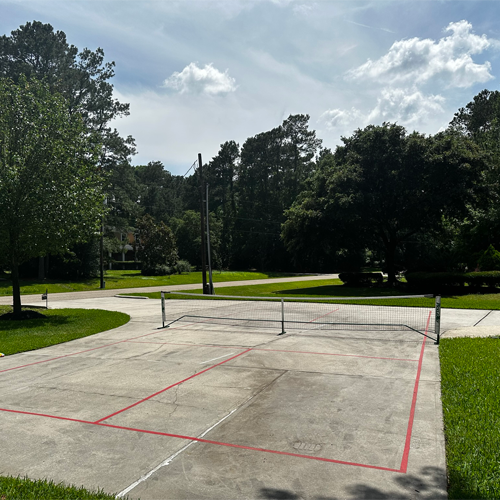
A practical starting point for many players is the dichotomy between indoor and outdoor courts. Each setting has its own rhythm, its own set of advantages, and its own set of tradeoffs. In places with harsh winters, indoor courts are more than a convenience; they’re a lifeline that preserves training continuity. In warmer markets, outdoor courts become a sanctuary where you can absorb real sunlight and test endurance on longer rallies. Across Era Pickleball facilities, you’ll notice a deliberate emphasis on climate control and surface quality as a baseline expectation. The courts themselves tell a story before the scorekeeper even speaks. A well maintained surface is a quiet promise: the ball will bounce true, the lines will stay bright, and the paddle won’t risk catching a rogue seam.
As I moved through different Era Pickleball venues, a pattern emerged. The best places combine four pillars: reliable court availability, accessible coaching and programming, a culture that welcomes players at all levels, and a practical ecosystem around memberships and leagues. The first pillar—court availability—often feels invisible until it’s missing. A facility that slots you into a consistent practice time, or at least guarantees a reasonable wait window, makes you feel that your time is valued. You learn to structure your week around this rhythm. It isn’t glamorous, but it’s the backbone of steady improvement. When you can secure a slot during peak hours, you discover the joy of a crowded gym where everyone is chasing read more the same craft and the same friendly competition. On the other hand, when you find a venue that offers extended hours—early mornings, late evenings, weekend blocks—you realize how much more you can accomplish with that flexibility. In my own routine, that is often the deciding factor between skating by at a casual level and really pushing into a new gear.
Coaching and programming are the second pillar. A club that offers a spectrum of instructional options—beginner lessons, drill sessions, strategy clinics, and match play with structured outcomes—teaches you that pickleball is an art as well as a sport. You don’t want to be stuck in a place where every drill feels like a drop in the ocean, where the desk staff can recite the schedule but not the intent behind it. When a facility has coaches who are visible on the floor, who run short, precise clinics, and who rotate in a way that ensures you’re never waiting more than a couple of weeks for a new topic, you’re in a place that respects your time and your goals. One real world detail I’ve noticed: era certified instructors who keep a simple log of progress. They grade you on tangible markers—ball placement down the line, depth control when you rally from the baseline, your ability to move in and out of the kitchen with confidence. These are the signals a program is serious without becoming doctrinaire.
The third pillar is the culture. Pickleball is a social sport at its heart, a game that thrives on shared spaces, respectful chatter, and a sense that everyone can improve together. A venue that hosts beginner clinics on a regular cadence, that features a friendly round robin at the end of the day, and that doesn’t treat newcomers as a temporary annoyance has the right climate. You hear the same phrases echoed across players who return week after week: this is where the stigma around not knowing quickly dissolves, this is where the terms “let” and “fault” are explained without judgment, and this is where you see real progress in people who used to watch from the sideline. In one facility I frequented, the staff kept a whiteboard of “rookie of the week,” a lighthearted way to celebrate new players who took on a challenge and stuck with it. The result was a cycle of encouragement rather than a hierarchy of skill. A welcoming culture isn’t about lowering standards; it’s about showing that improvement is a shared journey, not a solitary sprint.
The fourth pillar is the business and logistics layer: memberships, pricing, leagues, and facilities that enable predictable participation without mystery or frequent price shocks. The right model gives you straightforward options: a monthly membership that unlocks court time, a pay-as-you-go scheme for occasional players, a family plan that makes it feasible to bring kids and partners, or a hybrid approach that allows you to book clinics without being locked into a long term contract. The practical reality is that price and access matter just as much as surface quality. For families and casual players, a transparent pricing structure and flexible cancellation policies can be the difference between a plan that fits and a plan that forces you to drift toward a different sport during the winter months. Real world experience has shown me that the best Era Pickleball venues place a high value on legible policies: clear cancellation windows, fair guest access rules, and the ability to transfer a day’s booking if a conflict arises. It’s not glamorous, but it creates trust and reduces the friction that makes people skip a session.
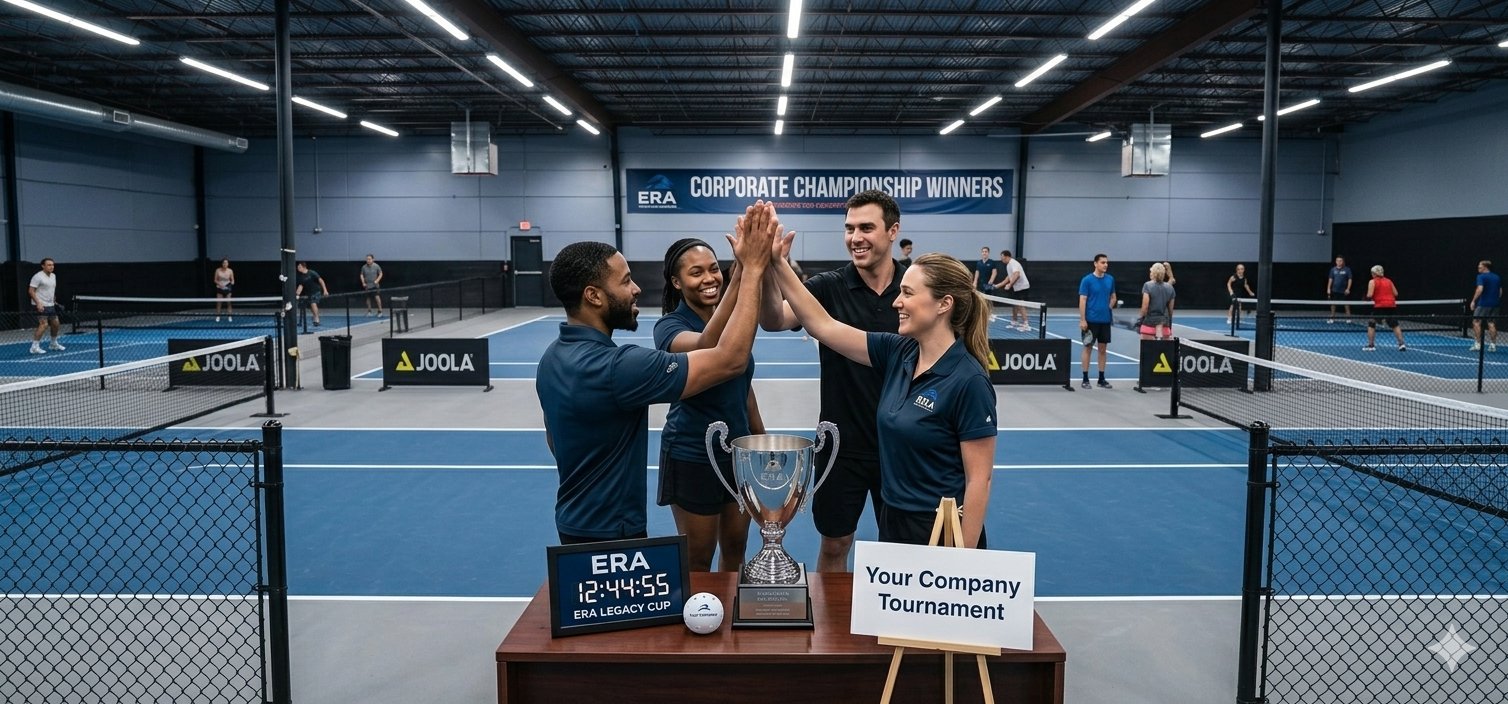
Beyond the four pillars, there are specific features that can elevate a venue from good to exceptional. The presence of indoor hubs with multiple courts, each with a dedicated warmup area and ample seating, makes a world of difference during busy evenings. The quality of the nets—tension, height, and the way they hold up under tense exchanges—speaks volumes about a facility’s attention to detail. Lighting can be a hidden premium. A well lit court supports precise shot making and reduces eye strain over long sessions. If you’ve ever tried to chase a ball under poor lighting, you know the mental drain that happens when every shot has to be recalibrated for visibility. In outdoor settings, wind considerations become a nuance worth noting. Some Era Pickleball outdoor venues implement wind breaks and shade canopies that mitigate gusts and protect sessions from sudden interruptions. It’s the kind of thoughtful design that quietly pays dividends in how productive your practice time feels.
The social element should not be underestimated. A robust Era Pickleball facility doubles as a meeting ground for players who share the same gym bag concerns as you do—how to schedule clinics around a busy work week, how to balance club play with ladder matches, and how to maintain a healthy practice routine without grinding yourself into fatigue. The best clubs I’ve known treat the social layer like a service: staffed social hosts who coordinate events, welcome newcomers, and keep the mood constructive. You’ll find photo-worthy bulletin boards that celebrate recent wins, but you’ll also find honest feedback channels. A good venue wants to know when a court is too slick after rain, when a session runs long, or when a coach’s instruction style isn’t clicking with a particular member. The more transparent the feedback loops, the more resilient the facility.
For players at different stages, the path to a satisfying Era Pickleball experience looks different. Beginners often find their stride when a venue offers a guided path from clinic to practice to friendly match play. The sequence matters: you want to move from the basics to real game scenarios gradually, with compensation drills that solidify the fundamentals without creating fatigue or injury risk. Intermediate players tend to value a well balanced mix of technique sessions and competitive play that tests their skills under pressure. Advanced players will gravitate toward ladder formats, strategy seminars, and cross table play that exposes them to styles they don’t encounter on their typical court. If you’re designing your personal season plan, you’ll want to map your goals across these tiers and align your Era Pickleball options accordingly.
The practical question remains: where should you begin your search for the right Era Pickleball venue near you? The short answer is to start with the basics and then layer in the specifics that matter to your schedule and your pace of growth. First, gauge the court density and availability. If you can count on a reliable daily block for practice and a weekend window for match play, you’re in a space that respects your time. Second, inspect the teaching roster. A few clinics per week and a couple of open drills is a healthy cadence for most players. Third, look for a culture that makes newcomers feel seen. A friendly, inclusive vibe is more contagious than the slickest marketing line. Finally, study the membership and pricing structure. Transparent, flexible options create a frictionless path to long term participation, which is where real improvement happens.
In practice, the psychology of the place matters as much as the physical facilities. I’ve learned to look beyond the paint and the polished floor. The real signal is in the way the staff handle a sudden rush of players between 6 and 8 PM, the way a coach greets a nervous newcomer with patient clarity, the cadence of the drills that feel purposeful rather than perfunctory. When all these elements align, you get a place that feels like a natural extension of your own practice. You begin to anticipate the rhythms of the court in your daily life, and the sport stops being something you chase on the weekends and starts feeling like a steady discipline you carry into your work week.
If you’re exploring Era Pickleball venues that fit this description, here are a few practical guidelines you can apply right away. First, map out your typical week and identify the time slots when you would actually play. Look for venues that can accommodate those windows with minimal waiting or conflicts. Second, examine the coaching options. If you are serious about improvement, seek out facilities with structured coaching pathways that acknowledge different skill levels rather than a one size fits all approach. Third, consider the social networks around the venue. A place that hosts small, well run events can become a reliable source of motivation and accountability. Fourth, check the geographic spread. If you live in a metro area, you might enjoy a cluster of Era Pickleball venues within reasonable driving distance, which gives you the luxury of switching courts in case of weather disruptions or schedule shifts. Finally, don’t overlook the digital tools. A robust booking system, a clear calendar of events, and an online forum where players share tips and match results can be a strong indicator of a healthy ecosystem.
In my own experience, the most meaningful gains have often arrived when I combined consistent court time with targeted coaching sessions. I recall a period when I was chasing a specific improvement—a more reliable transition at the kitchen line and better return depth on the backhand down the middle. I found a venue that offered a monthly technique clinic focused specifically on those elements, paired with open drill sessions that allowed for repetition without judgment. The result was not a single dramatic breakthrough, but a steady accumulation of small wins that changed how I approached the game. That is the essence of practicing and playing in the Era Pickleball world: steady progress stitched together from reliable access, thoughtful coaching, and a community that keeps showing up.
What about the practical logistics of a typical visit? A routine might look like this. You check the online court availability a day ahead, pick a slot that fits your energy level, and plan your warmup ritual around a dedicated warmup space or a nearby stretch area. You arrive early, lace up, and run through a five minute mobility sequence before a few light rallies. Then you dive into a 60 minute drill session guided by a coach who offers precise cues on your footwork and paddle angle. After that, you transition into a 30 minute round robin or match play, which gives you the chance to test the morning’s insights under a bit of competitive pressure. If you’re a parent or caregiver, you’ll appreciate when a venue makes it easy to watch a few friend matches from a shaded bench while keeping an eye on younger players. Every little convenience compounds into a better day on the court.
In contrast, a venue that misses these marks often reveals itself through friction. A crowded desk that takes 20 minutes to process a single member check in, a court that feels slippery after a spill, or a schedule that is only loosely maintained will eventually erode your enthusiasm. These experiences are instructive because they remind you that a great facility is not just about surfaces and lights; it’s about reliability, empathy, and systems that support a player’s ongoing development. If your local Era Pickleball network has a couple of spaces like this, it’s worth sketching out what would convert a casual practice into a habit that you stick with for months.
As you search, you may encounter terms and offerings that seem similar on the surface but different in practice. You might find indoor pickleball courts Era Pickleball in a climate controlled complex with a full set of amenities, or you might discover outdoor pickleball courts Era Pickleball situated in a park with seasonal shade structures. Some facilities emphasize a "pickleball club" atmosphere, with a formal ladder and club championships, while others lean into a more casual "facility" approach with flexible drop ins and community driven events. The best choice for you will hinge on your objectives: whether you are chasing a structured path to competition, or you want a friendly home base where you can drop in after work and enjoy casual play with friends. It is not a bad sign if you prefer one model over another; it simply signals where you will invest your energy and how you will measure your own growth.
There is another layer worth considering: the role of technology in the Era Pickleball ecosystem. A modern facility will likely offer an online portal that makes booking, billing, and event registration effortless. It might provide a searchable calendar of clinics, leagues, and social play, with push notifications that help you remember a session and avoid double bookings. The value here isn’t merely convenience; it is the way technology can align your practice with a consistent schedule, reducing the friction that often leads to skipped sessions. If you are comparing two venues that feel evenly matched in surface quality and coaching depth, the presence of a user friendly digital system can be a deciding factor. In my practice, I have found that the best clubs invest in easy check in, transparent court traffic updates, and a clear path from introductory play to more advanced formats like doubles strategy sessions and mixed doubles events. That progression is not accidental; it is the result of thoughtful planning and disciplined execution.
No article about Era Pickleball would be complete without acknowledging the importance of the community’s variety. The best spaces create opportunities for players with different goals to coexist and support one another. A typical day might feature a beginners clinic running at the same time as a high level ladder match in a separate court. The coexistence might feel chaotic at first glance, but it is a sign of a living ecosystem where people of all backgrounds can find a place to belong. In this environment, you learn to manage your expectations: you participate in what is meaningful to you, you cheer on others, you take advantage of a spare moment to practice a new maneuver, and you leave with a plan for the next session. That cadence is what keeps the pickleball world of Era Pickleball moving forward, even as the seasons shift and new players arrive.
If you are building a habit around Era Pickleball, here are a few concrete steps you can take to maximize your experience. First, choose one or two core times each week when you know you can hit two to three sessions without fail. Consistency compounds in a way that sporadic bursts of energy cannot. Second, sign up for at least one coaching or clinic program per month. The investment in technique pays back in your confidence on the court and your efficiency during rallies. Third, participate in a social or ladder event every other week. The social dimension helps you translate practice into practical game sense and also expands your network in ways that are surprisingly motivational. Fourth, keep a simple log of your progress. Note a few specifics: your serve release, the depth of your backhand return, and your success rate at the kitchen line. You will be surprised how small, measurable improvements accumulate into a broader transformation. Finally, be prepared to adjust. If your current Era Pickleball venue stops delivering the triple guarantee of accessibility, coaching, and community, it is not a failure to shift to a different option. The sport rewards flexibility and a stubborn commitment to showing up.
The journey through Era Pickleball venues is more than a search for a court. It is a search for a place that understands your goals, respects your time, and challenges you to improve in a way that stays enjoyable. It requires attention to the details that elevate a good facility into a great one: the speed of the booking system, the clarity of the coaching, the warmth of the community, and the fairness of the pricing. If you let those signals guide you, you will likely find that the best places to practice and play are not just locations with paint on the floor, but living spaces that continually shape your approach to the game.
In the end, what you gain from Era Pickleball goes beyond the wins or the titles. You gain a reliable weekly anchor, a space to experiment with new shots, and a network of players who push you to be a better version of yourself. The courts become more than surfaces; they become catalysts for discipline, camaraderie, and growth. And that is a perspective that extends far beyond the presence of a paddle in your hand. It is a practical philosophy for a sport that rewards dedication and community in equal measure.
If you are actively scouting for arenas to call your own, remember that the right pick is less about a single court and more about a constellation of factors. Look for steady access, accountable coaching, a welcoming culture, and a transparent, flexible membership model. Visit during peak hours to observe how staff manage the flow of players. Watch how the facility handles a rain delay or a last minute cancellation, and listen to how players talk about their experiences. If you can, talk to regulars about what keeps them coming back. Their stories will reveal the subtle advantages that separate the good venues from the truly exceptional ones.
Era Pickleball is an evolving ecosystem, and every town is a potential beacon if you approach it with curiosity and clarity. The best places to practice and play aren’t just about the drills you perform or the winners you watch on the wall of fame. They are about the everyday interactions that make a practice session something you look forward to, the quiet confidence you gain as your footwork becomes economical, and the sense that you belong to a community that treats hard work with respect while keeping the joy of the game front and center. That balance—between discipline and delight—is what keeps me, and countless others, coming back to the Era Pickleball courts week after week.